
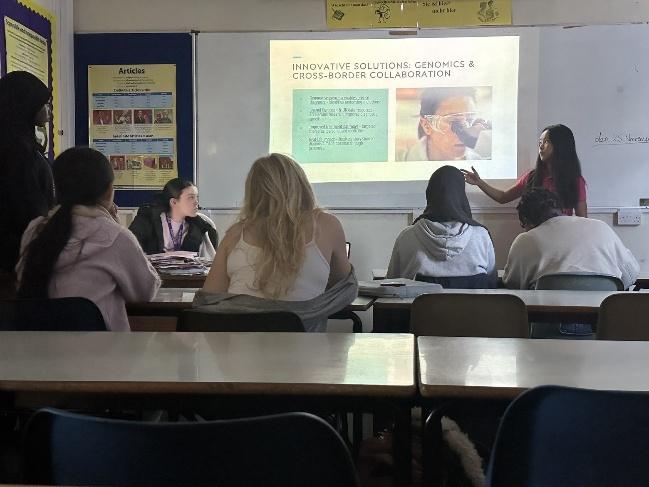
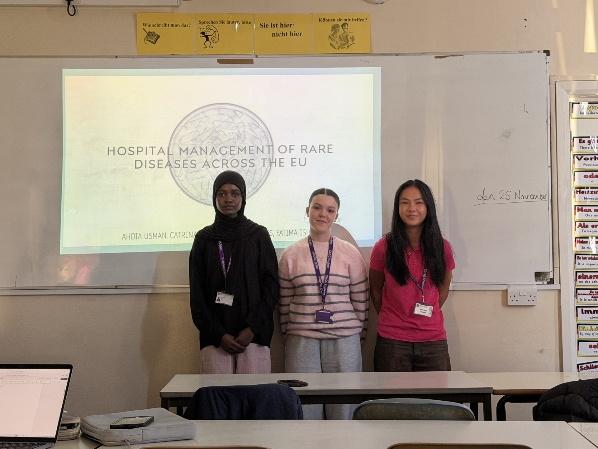
The students chose to create a presentation exploring how healthcare systems across the European Union differ and how these differences affect the management of rare diseases. As they are all interested in pursuing careers in the healthcare sector, they found this topic particularly relevant. They presented their findings to the school’s medical society, as they felt this audience would be most engaged with the subject matter.
The project began with research into the definition and causes of rare diseases. The students discovered that around 80% of rare diseases have a genetic origin. They also investigated some of the major challenges associated with rare diseases, including lengthy and expensive diagnostic pathways, high treatment costs, and unequal access to healthcare across EU member states. Alongside these challenges, they explored the actions taken by the EU to address these issues. This included learning about international collaboration through the Human Genome Project (1990–2003), the importance of sharing research and medical data, and efforts to improve treatment pathways for patients.
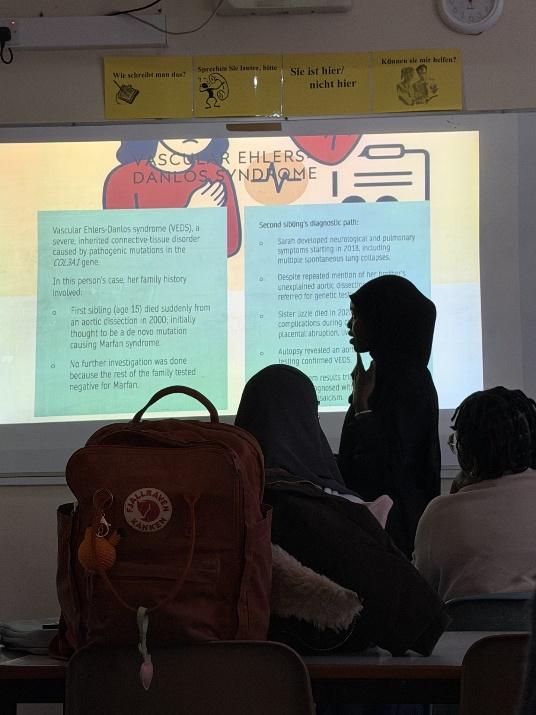
The students then focused on how rare diseases are managed across the EU. They learned about European Reference Networks (ERNs), which are virtual networks connecting hospitals and specialists across Europe to diagnose and treat complex and rare conditions. They found the patient-centred approach particularly interesting, as it allows expertise to be shared across borders, reducing the need for patients to travel long distances to access specialist care.
To understand the impact of economic differences within the EU, the students compared healthcare systems in wealthier countries, such as Germany and the Netherlands, with those in less affluent countries, such as Bulgaria and Romania. Their research showed that lower levels of healthcare funding can limit access to specialist resources and treatments. They also found that countries with lower healthcare spending often report higher levels of unmet medical need among their populations.
Overall, the students felt that their presentation was successful. The audience remained attentive throughout and asked several thoughtful questions afterwards, demonstrating a strong interest in the topic. The project provided valuable insight into both the strengths and challenges of healthcare provision across the EU. It also highlighted the importance of international cooperation in tackling rare diseases and inspired further discussion about future improvements that could help ensure more equal access to diagnosis, treatment, and care across Europe.
EPAS Team Comment
Wow, what an interesting piece of work! Great to see students taking an area of their own interest, exploring it in depth and sharing their learning with others.