This Europe Day activity was planned and delivered by teachers at the Greek School of Wales for pupils aged 14–16.
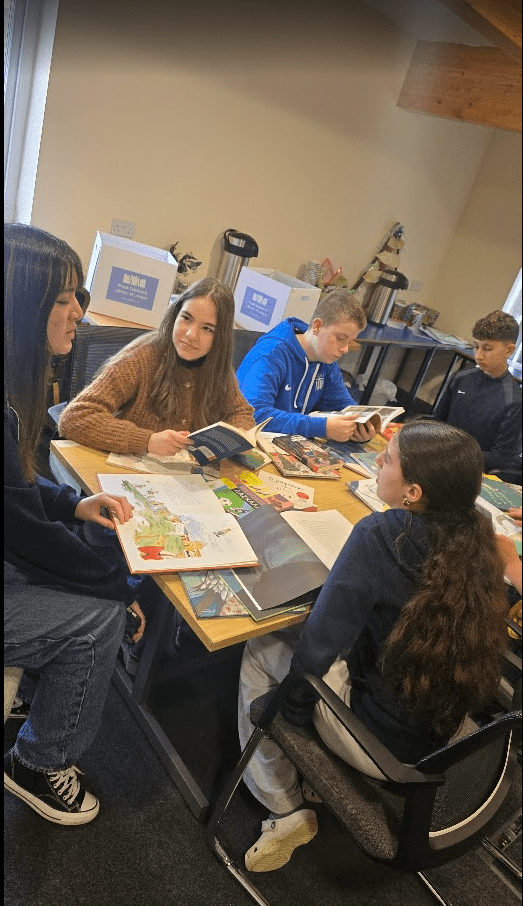
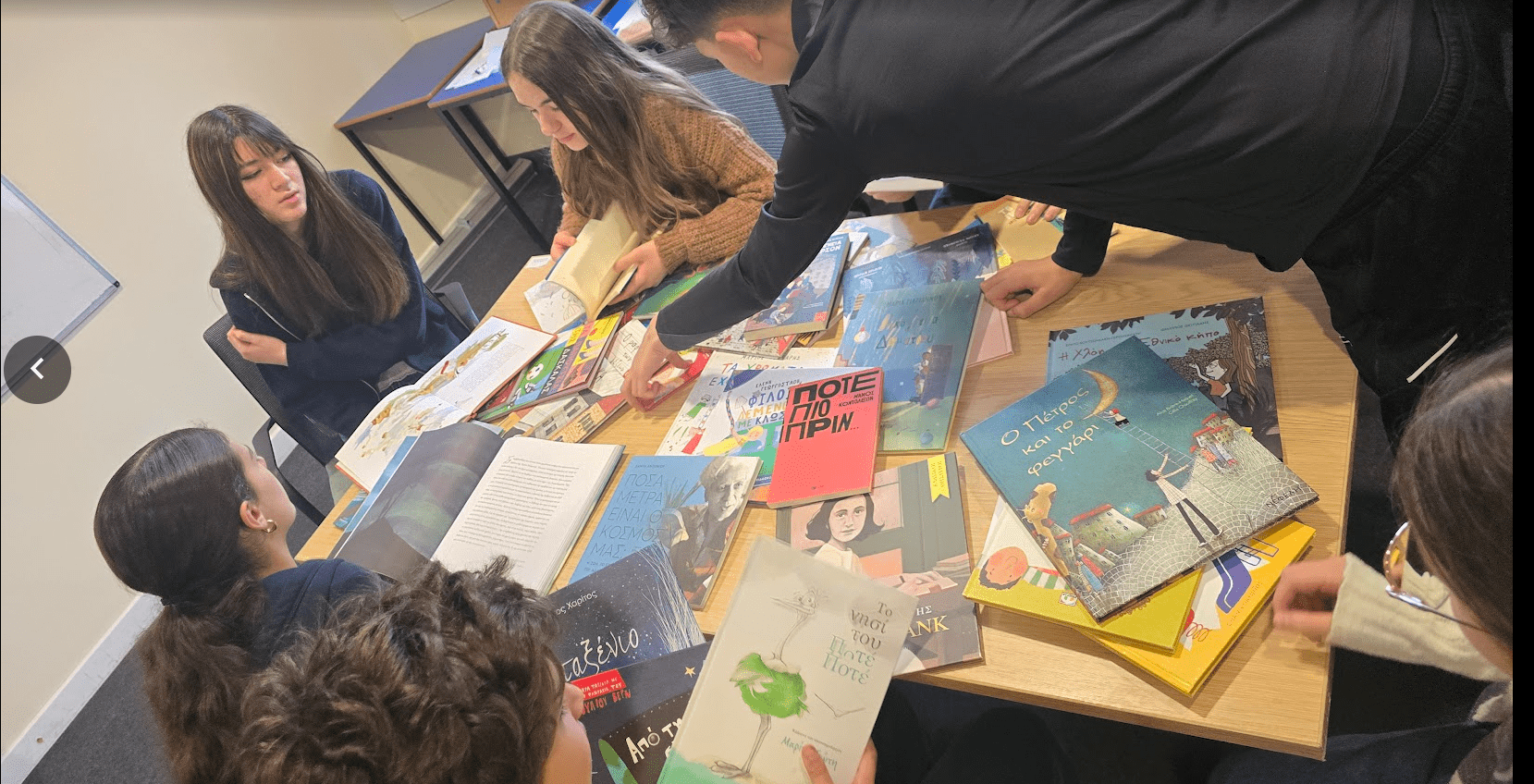


The aim of the activity was to develop pupils’ understanding of European values, particularly democracy, freedom of expression, and active citizenship. Pupils engaged in guided discussions about the importance of the European Union and how democratic processes shape decision-making in Europe.
To build on this, pupils took part in structured debates on current and relevant topics such as social media regulation and climate action. These discussions encouraged critical thinking, respectful argumentation, and awareness of different perspectives on issues affecting young people across Europe today.
Following the debates, pupils explored the linguistic diversity of Europe by translating and presenting common Greek words into several European languages. They then shared their work with younger pupils in the school, helping to create a cross-age learning experience and promoting interest in European languages and cultures.
The activity worked well as it combined discussion, debate, and peer teaching, keeping pupils highly engaged and allowing them to develop communication and teamwork skills.
Through this activity, pupils gained a deeper understanding of democracy, improved their ability to express and defend opinions respectfully, and developed awareness of Europe’s linguistic and cultural diversity.
EPAS Team Comment
Fantastic to see you combining debate, language learning and democratic thinking in this way: just what we want to see from Ambassador Schools.