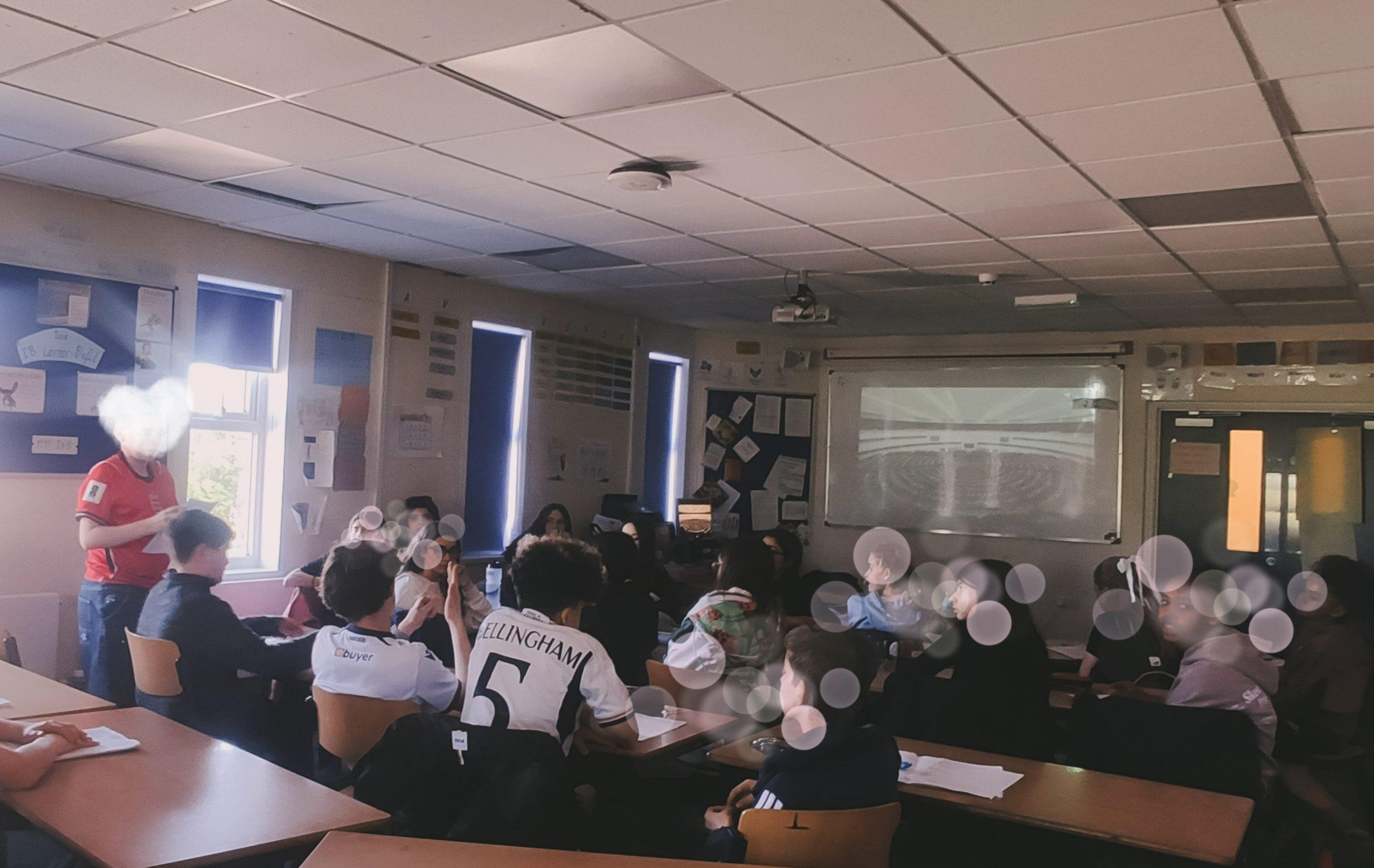
As part of our EPAS activities, students from different years groups took part in an EU decision-making simulation designed to help them understand how laws are proposed, debated and adopted within the European Union. The topic chosen for this year’s simulation was the possibility of lowering the minimum voting age across the EU.
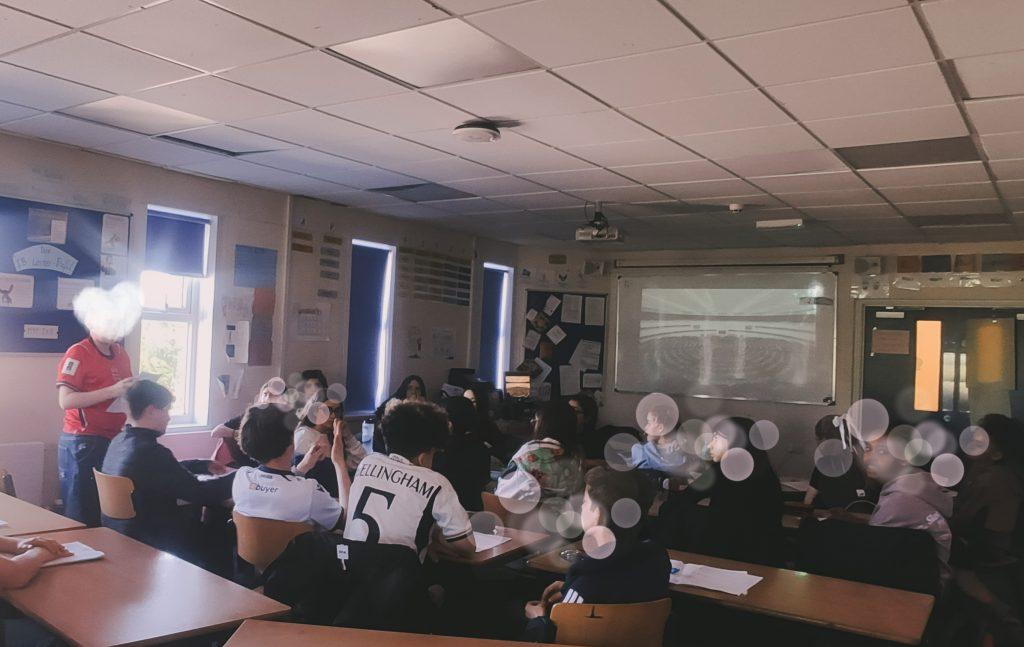
Students were assigned different institutional roles, representing the European Commission, the European Parliament and the Council of the European Union. Working in groups, they researched the issue, prepared arguments and developed their positions before participating in a structured debate.
During the simulation, the European Commission presented a legislative proposal, Members of the European Parliament debated the proposal and suggested amendments, and representatives of the Council discussed their national positions before entering negotiations. Students then worked together to reach a compromise and conducted a final vote following the EU legislative process.
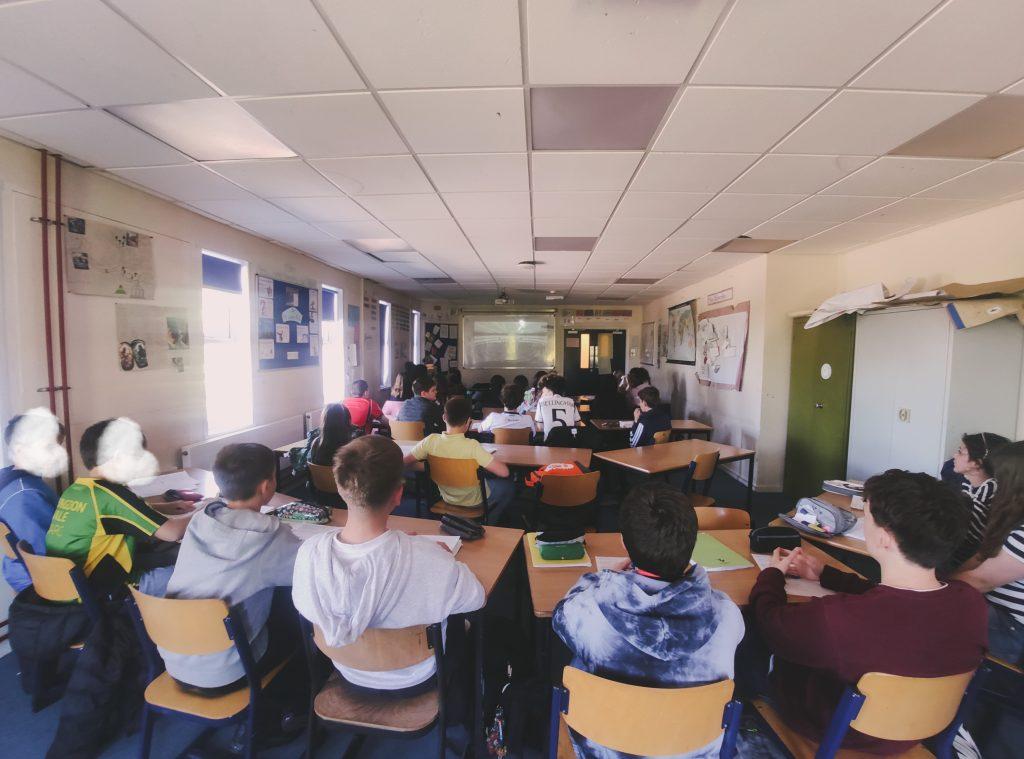
The activity provided a practical and engaging way to explore how EU institutions cooperate and how decisions are reached through discussion, negotiation and democratic participation. Students were highly engaged throughout the process and demonstrated excellent teamwork, communication and critical thinking skills.
Through the final reflection task, students considered the challenges of reaching agreement between different stakeholders and reflected on their own role in democratic decision-making.
EPAS Team Comment
This sounds great, so in-depth and educational. Well done all!